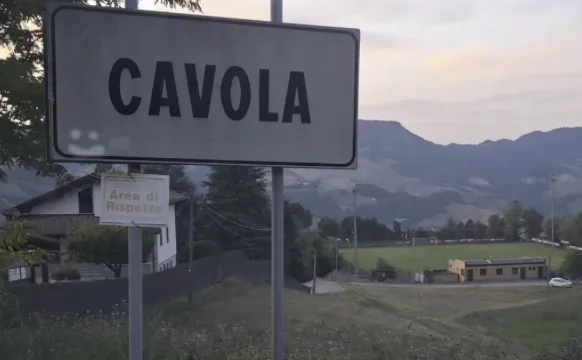
Church of San Michele Arcangelo
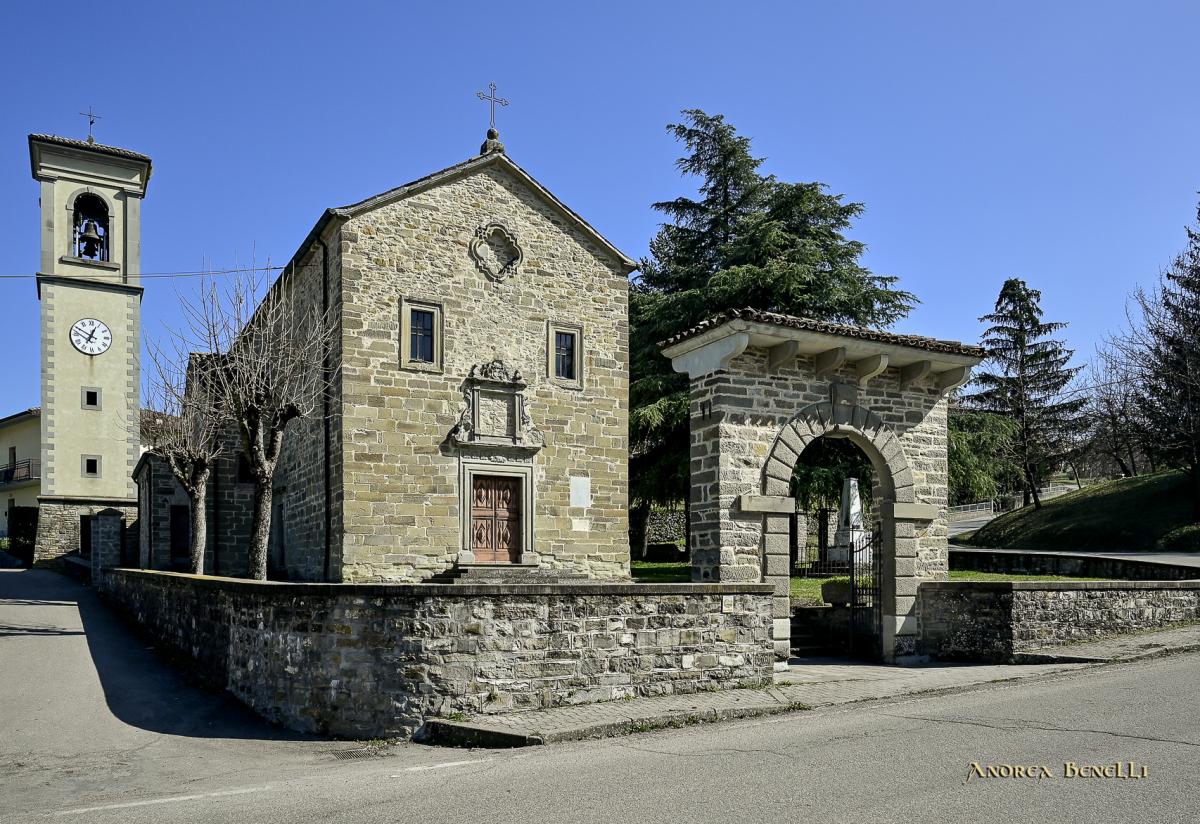
Cavola's parish church, with remarkable stone carving on the portal and side façades, the work of the local stonemasons' tradition.

Almost nine centuries of history between the Secchia valley and the ridges of the Reggio Emilia Apennines: parish churches, stonemasons, pilgrim ways and oak woods.
The village's ancient name first appears in twelfth-century documents, linked to a hospice for mountain travellers.
Documents from 1148 and 1156 mention the hospice of Cavella, a shelter for the pilgrims and travellers who walked the ancient ridgeways, on the road leading to the hospice of San Giacomo.
Cavola appears in the oath of loyalty to the Comune of Reggio Emilia, alongside the other mountain communities.
1 April 1461 is the date of the decree enacting the Statuta Podestariae Toani et Cavlae: together with Toano, Cavola gives its name to the local podesteria.
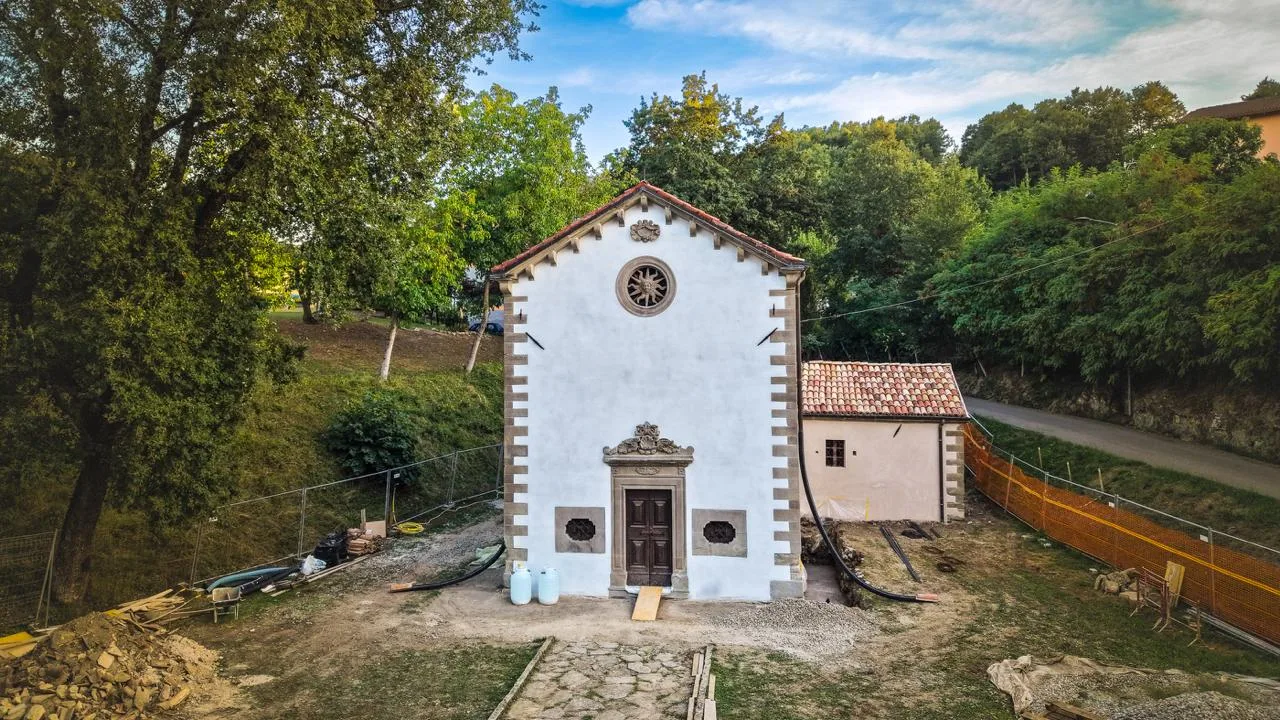
The Ceccati workshop began in Cavola: stonemasons and sculptors whose portals, altars and stonework are found throughout the Apennines. The oratory of the Madonna della Neve holds a fine seventeenth-century wooden altar by Francesco Ceccati.
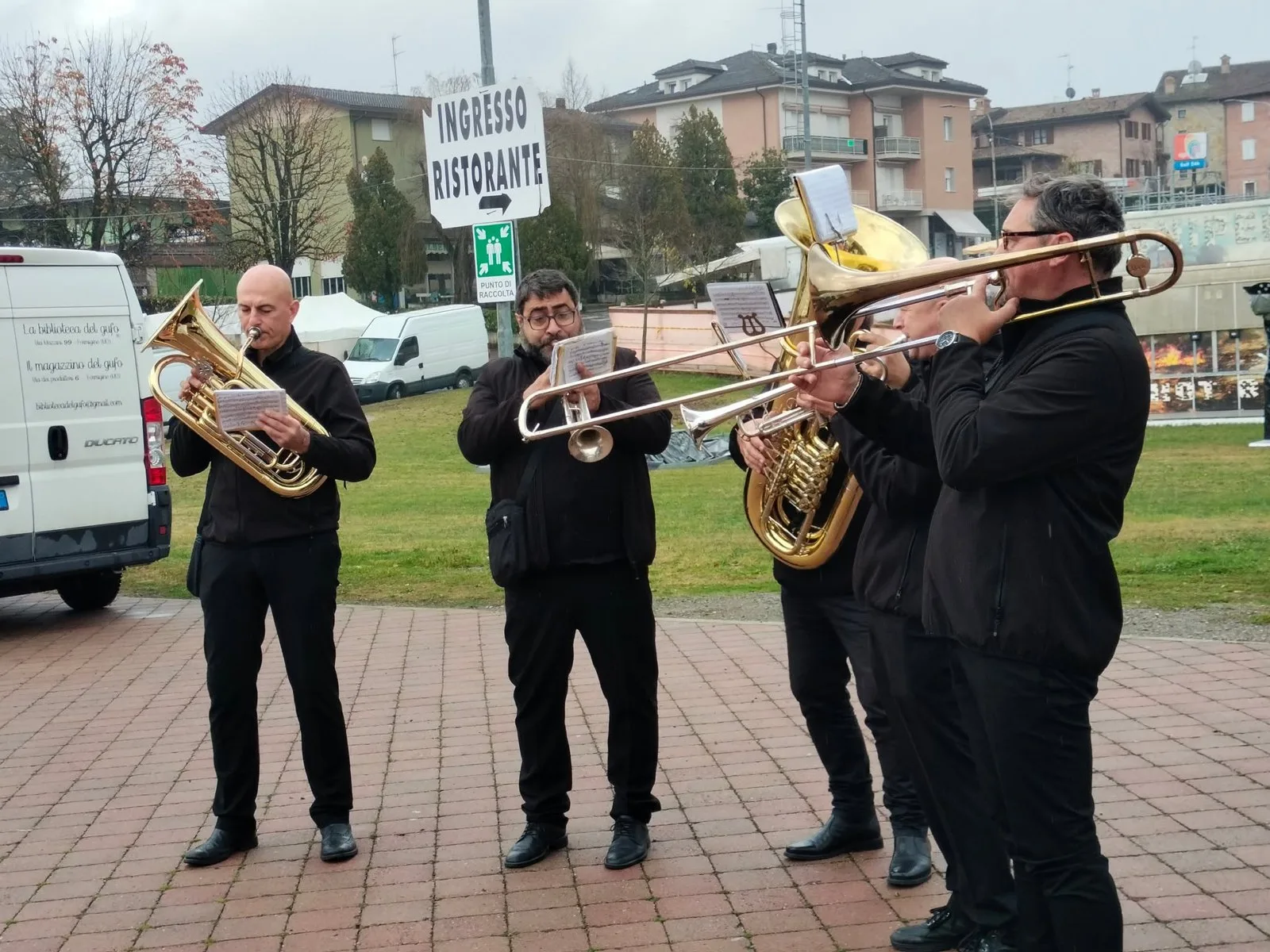
Nineteen villagers began studying music with maestro Giuseppe Pignedoli: the date is still written inside the oldest bass drum. The band has enlivened the village's festivals and celebrations ever since.
The Pro Loco organises the first truffle festival in the province of Reggio Emilia: since then Cavola has been "the little Alba of Reggio".
A small heritage of carved stone, kept among the village lanes and the surrounding countryside.

Cavola's parish church, with remarkable stone carving on the portal and side façades, the work of the local stonemasons' tradition.
A small oratory that holds a richly carved seventeenth-century wooden altar by Francesco Ceccati. Nearby, the Corte Baroni bears witness to Apennine rural architecture.

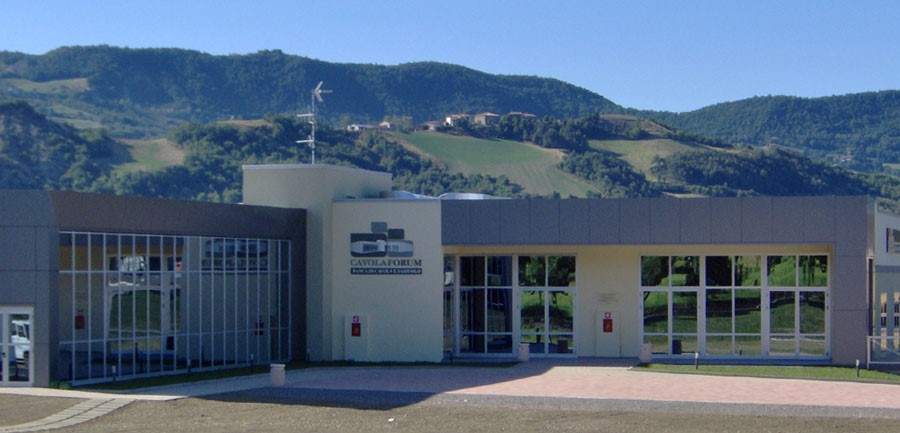
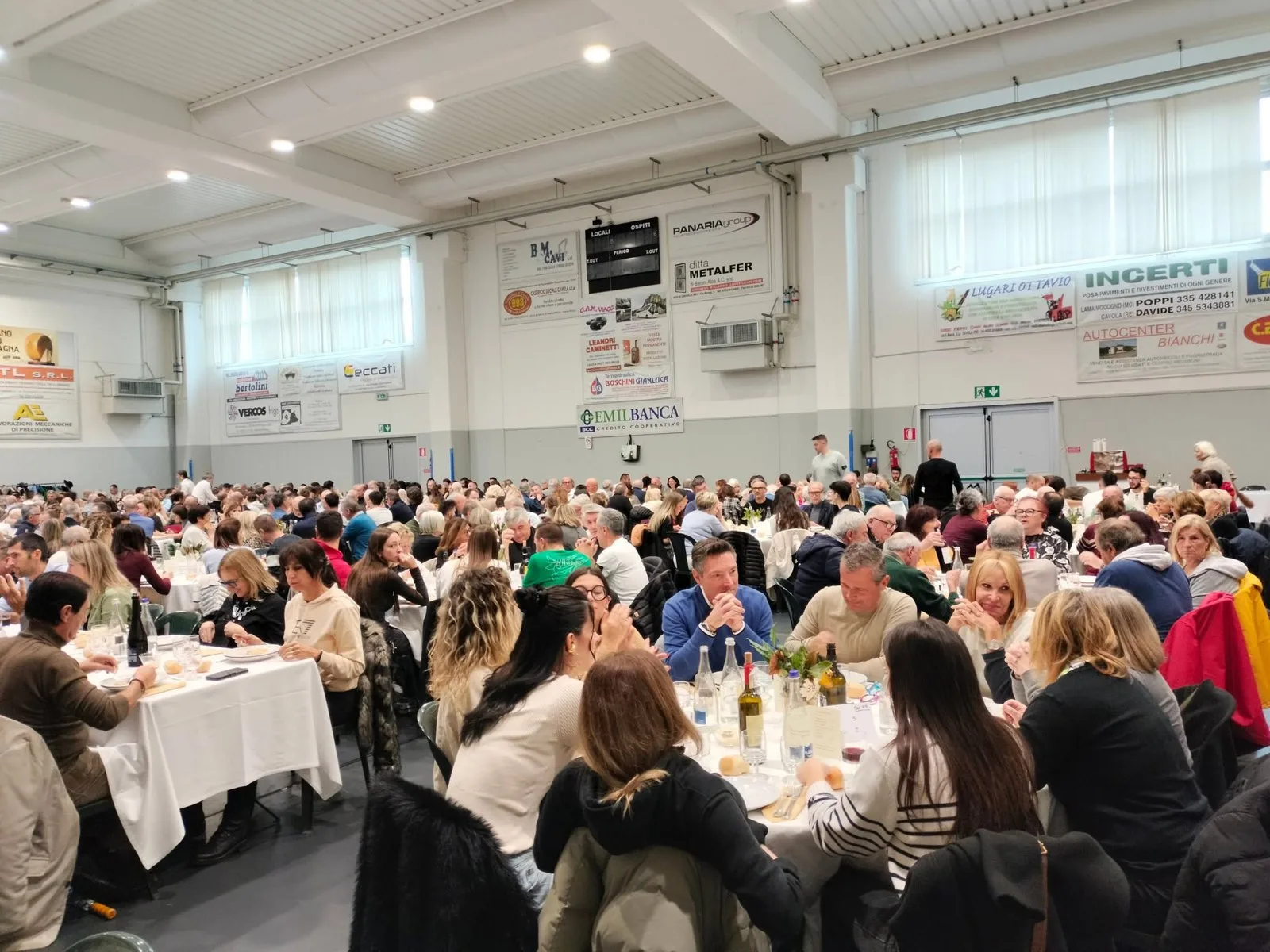
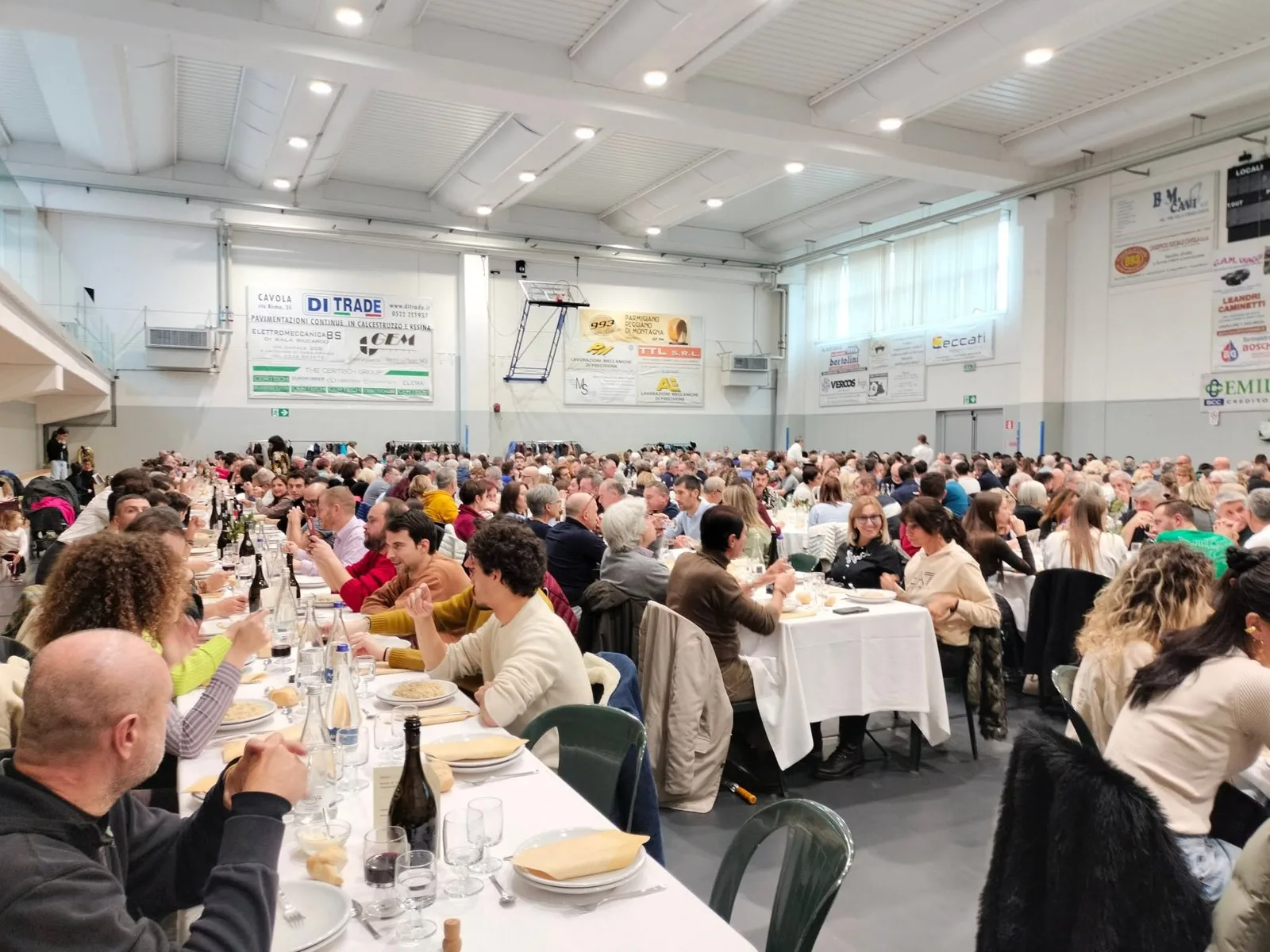
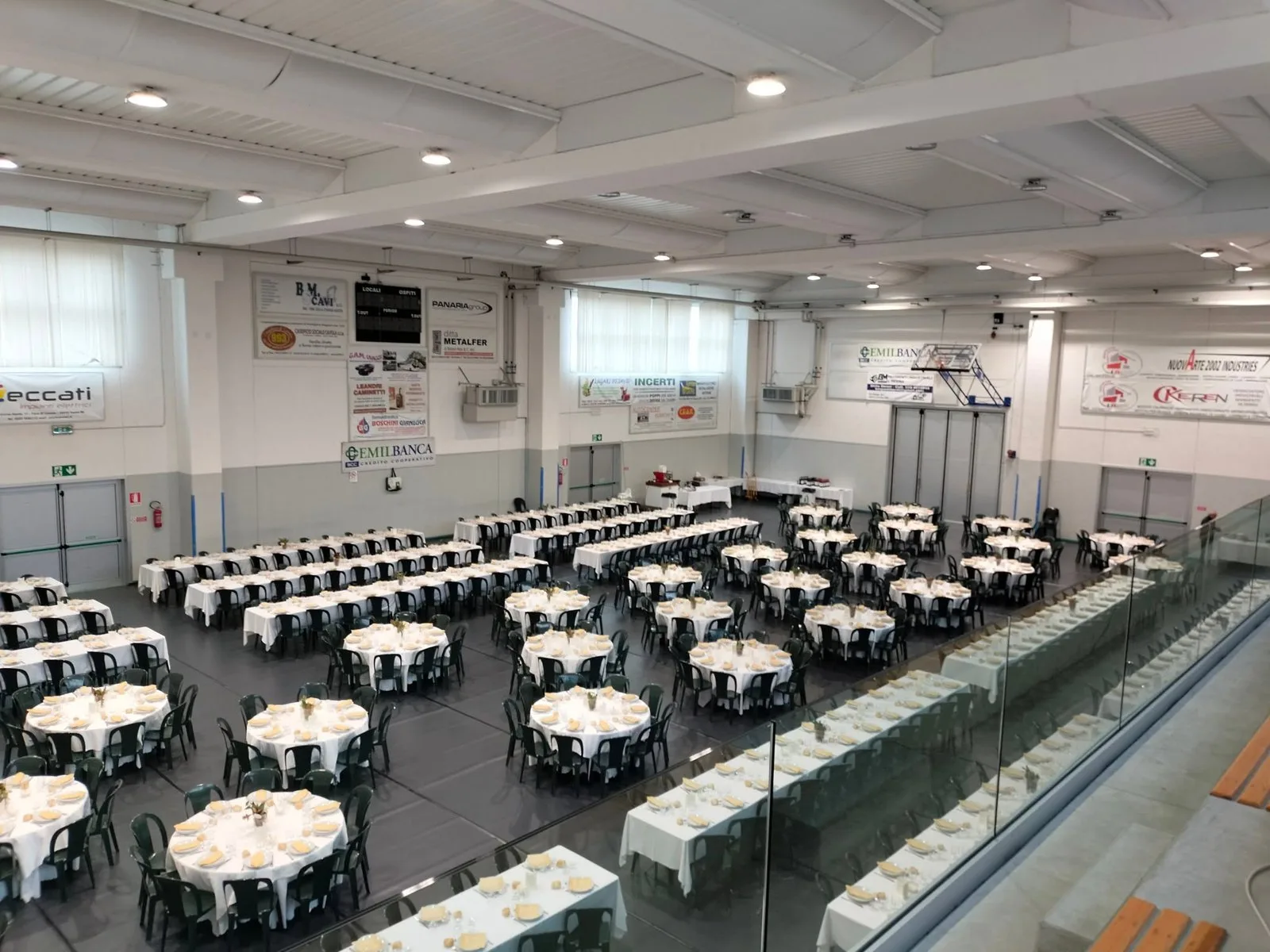
The multipurpose venue run by the Pro Loco: home to the Truffle Festival lunches, events, sport and initiatives for the whole village.
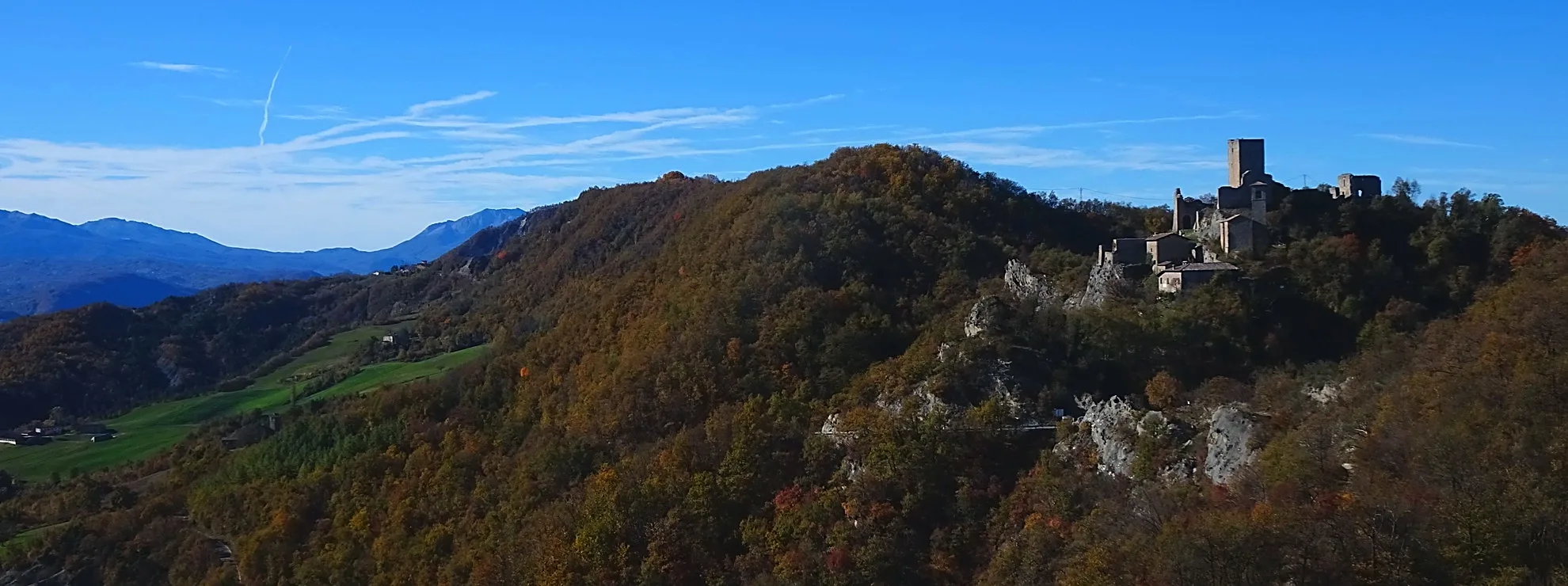
The tiny village of Cavola is crossed by the "Sentiero Matildico e del Volto Santo", a path running from Mantua to Lucca, once walked by pilgrims from the North on their way to Rome and to the holy places. Cavola is a crossroads of trails, all rewarding and none demanding, which lead to enchanting corners of the Reggio Emilia Apennines: the castle of Carpineti, the beautiful Secchia valley, the splendid Pietra di Bismantova and the fine succession of Apennine peaks — Alpe di Succiso, monte Casarola and the enchanting Cusna.
Following the Sentiero Matildico e del Volto Santo, visitors can discover and admire several artistic treasures of the area. The route begins at the splendid altar of the Oratory of the Madonna della Neve, a Baroque masterpiece by Francesco Domenico Ceccati, and continues with the Ceccati birthplace in the hamlet of Stiano, the Ceccati museum in Corneto and the churches of Corneto and Massa, rich in works of great value by the Ceccati dynasty. It goes on to the thousand-year-old Matildic parish church of Toano and the recent archaeological excavations beside it. The artistic tour ends in the parish church of Cavola, home to a splendid Ceccati baptistery and several other works of artistic value. In the centre of the village stands the fine "Baroni" manor house, with a beautiful stone inset bearing the coat of arms of the Baroni family, now owned by the Scalabrini family.
Cavola is a mountain stage of the Via Matildica del Volto Santo, the pilgrim way that links Mantua to Lucca through the lands of the Great Countess.
The route connects Mantua, the Reggio Emilia Apennines and Lucca. Cavola is a mountain stage for those crossing the area on foot, among parish churches, villages and ridges.
The central figure of this story is the Great Countess Matilda of Canossa: the way evokes the land and the deep legacy of the places tied to her.
The Reggio Emilia stretch of the way passes through Cavola as it climbs the Secchia valley, along the ancient ridgeways of the medieval pilgrims.
From sky to nightfall: six ways to enjoy the village and the Reggio Emilia Apennines at any time of day.
Beyond the festival lunches, the village and its surroundings offer restaurants and trattorias serving mountain cooking: mushrooms, truffles, Parmigiano-Reggiano and the fresh pasta of the Emilian tradition.
Open the list of the nearest places, or ask the Pro Loco for advice: we're biased, but only towards those who cook well.
Find restaurants
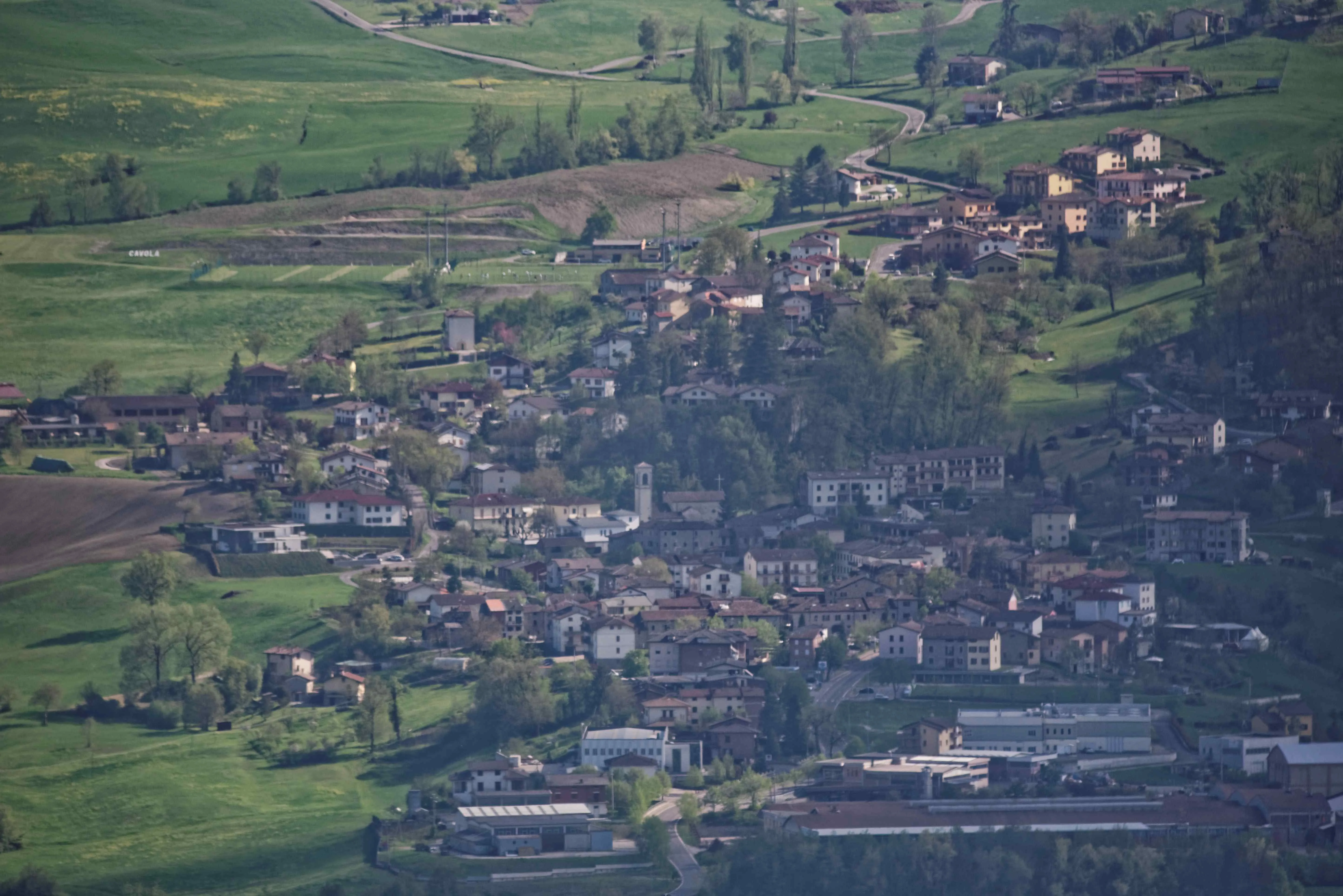
The Pro Loco's video tells the story of Cavola among the rooftops, meadows and woods of the Secchia valley.